Our Story
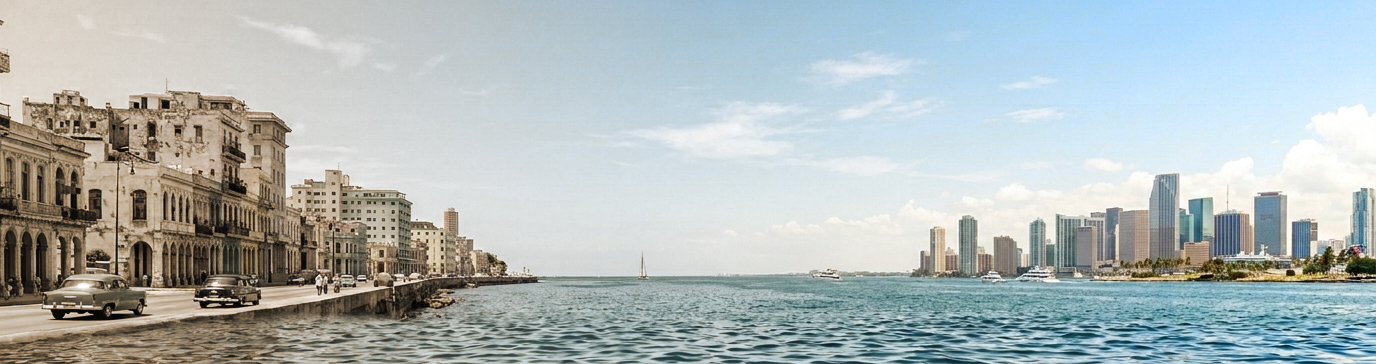
Havana,
1926.
Miami, today.
Ninety miles of ocean.
Nearly a century of time.
The same craft.
The House
A name earned on Havana’s
finest street in 1926.
Rebuilt in Miami, a century on.
The Street
Calle San Rafael #45
By the 1920s, San Rafael was the most important retail corridor in the Caribbean. Five blocks of boulevard running west from the Paseo del Prado, where every jeweler and watchmaker that mattered kept an address.
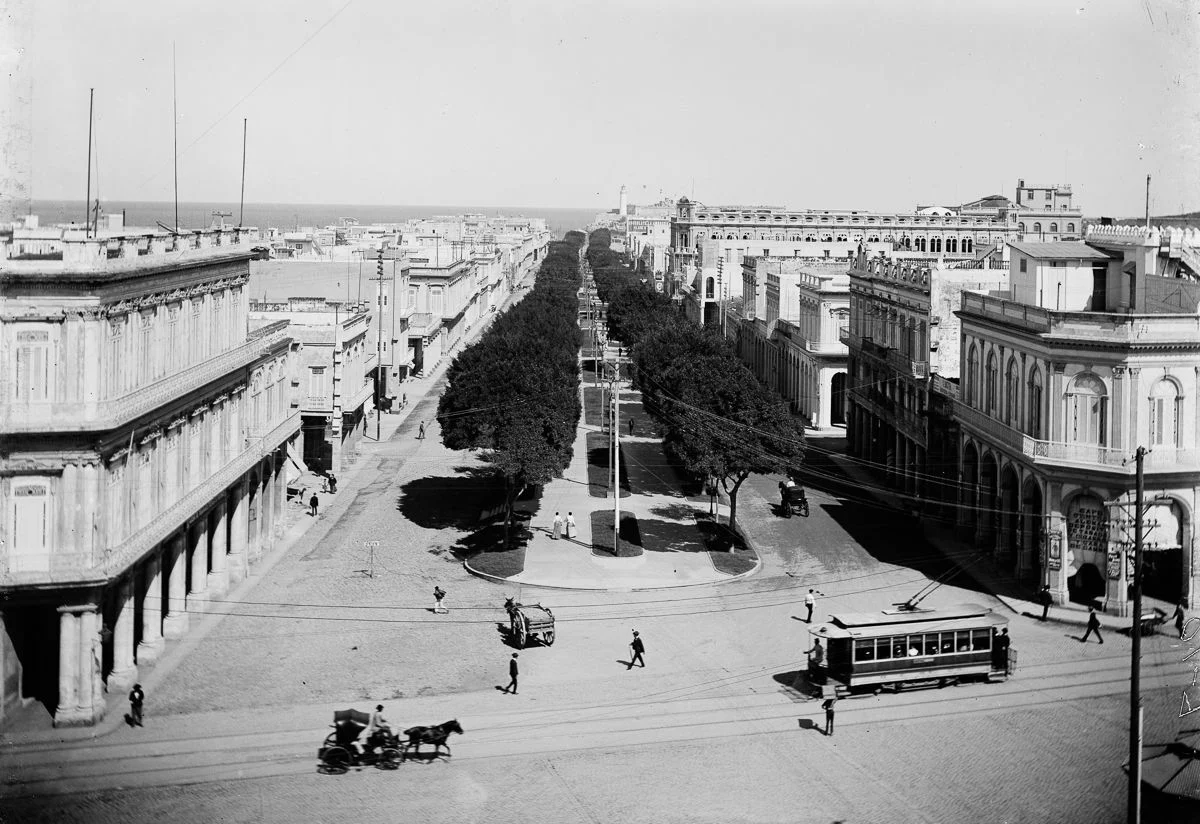
Paseo del Prado, La Habana · c. 1926
The Company It Kept
In 1926, La Casa MARTULL secured its place among them.
1959
Then it stopped.
The Castro regime ended commercial life on San Rafael. Every private house on the boulevard was nationalized or shuttered. The jewelers, the merchants, the watchmakers. MARTULL closed with the rest. The name went silent for more than sixty years.
The Return
MARTULL. Miami.
Ninety miles north of Havana, Miami became the city where so much of Cuba’s commerce and craft carried on. MARTULL is not a reissue, and not a tribute. It is the house itself, continued — the name brought back to life, now made in Miami.
The Work
Assembled in Miami
Built with intention, by hand, one piece at a time. The standard San Rafael set, held to in a new city.
Heritage isn’t inherited.
It’s rebuilt.
A house earns its name through what it makes, not the story it tells about itself. Made for those who understand that a legacy is not received. It is built.